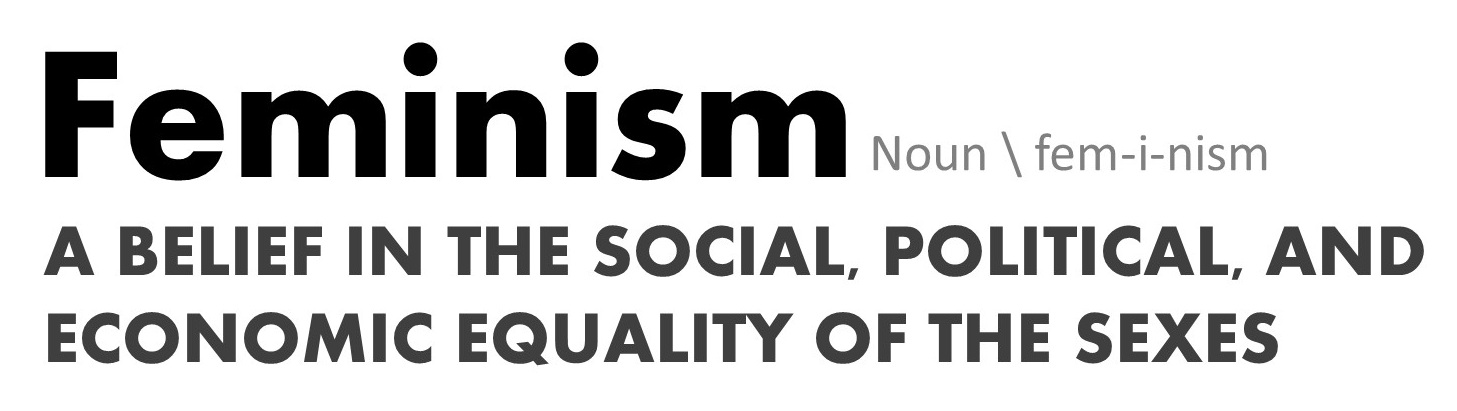

"The basic idea of Feminism revolves around the principle that just because human bodies are designed to perform certain procreative functions, biological elements need nor dictate intellectual and social functions, capabilities, and rights.
Feminism also, by its nature, embraces the belief that all people are entitled to freedom and liberty within reason--including equal civil rights--and that discrimination should not be made based on gender, sexual orientation, skin color, ethnicity, religion, culture, or lifestyle."

The 1st (1830’s – early 1900’s): Women’s fight for equal contract and property rights
Often taken for granted, women in the late 19th to early 20th centuries, realized that they must first gain political power (including the right to vote) to bring about change was how to fuel the fire. Their political agenda expanded to issues concerning sexual, reproductive and economic matters. The seed was planted that women have the potential to contribute just as much if not more than men.
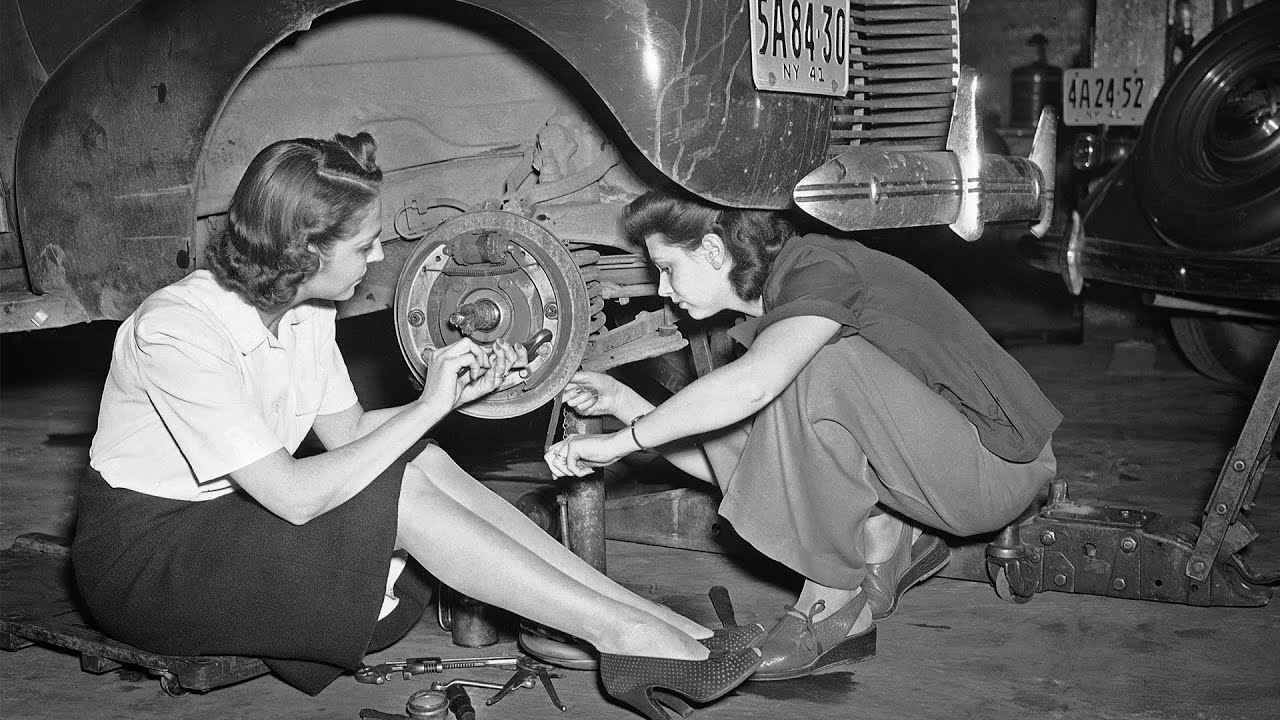 Coming off the heels of World War II, the second wave of feminism focused on the workplace , sexuality, family and reproductive rights. During a time when the United States was already trying to restructure itself, it was perceived that women had met their equality goals with the exception of the failure of the ratification of the Equal Rights Amendment (which has still yet to be passed).
The 3rd WAVE (1990’s – present): The Gender Equality
 The main issue women face today were prefaced by the work done by the previous waves of women. They are still working to vanquish the disparities in male and female pay and the reproductive rights of women. We are working to end violence against women in our nation as well as others. Women are still fighting for acceptance and a true understanding of the term ‘feminism,’ it should be noted that they have made tremendous progress since the first wave; howsoever, there is much more ground that needs to be trended
 upon.
Comments
Post a Comment